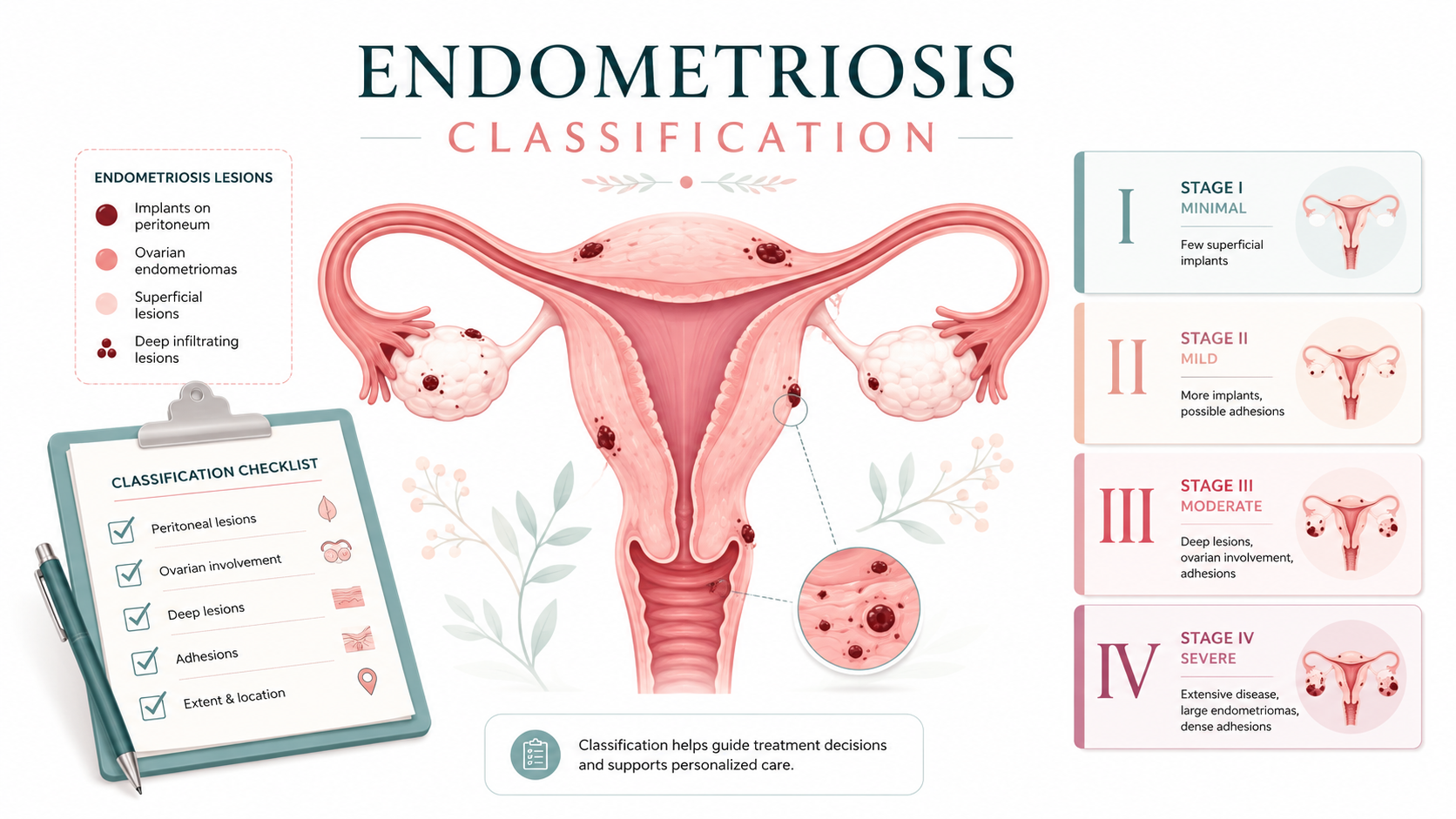
Lost in Classification: Finding Meaning Beyond the rASRM Score
Endometriosis is a complex, chronic condition that affects roughly 1 in 10 women of reproductive age. If you've been researching treatments or looking at surgical reports, you've likely seen terms like "Stage I" or "Severe Endometriosis." These stages almost always refer to the revised American Society for Reproductive Medicine (rASRM) classification.
As an endometriosis specialist, I frequently see the confusion this system causes. Let's break down how the rASRM classification works, its strengths and weaknesses, and what the ideal endometriosis staging system should actually do for patients.
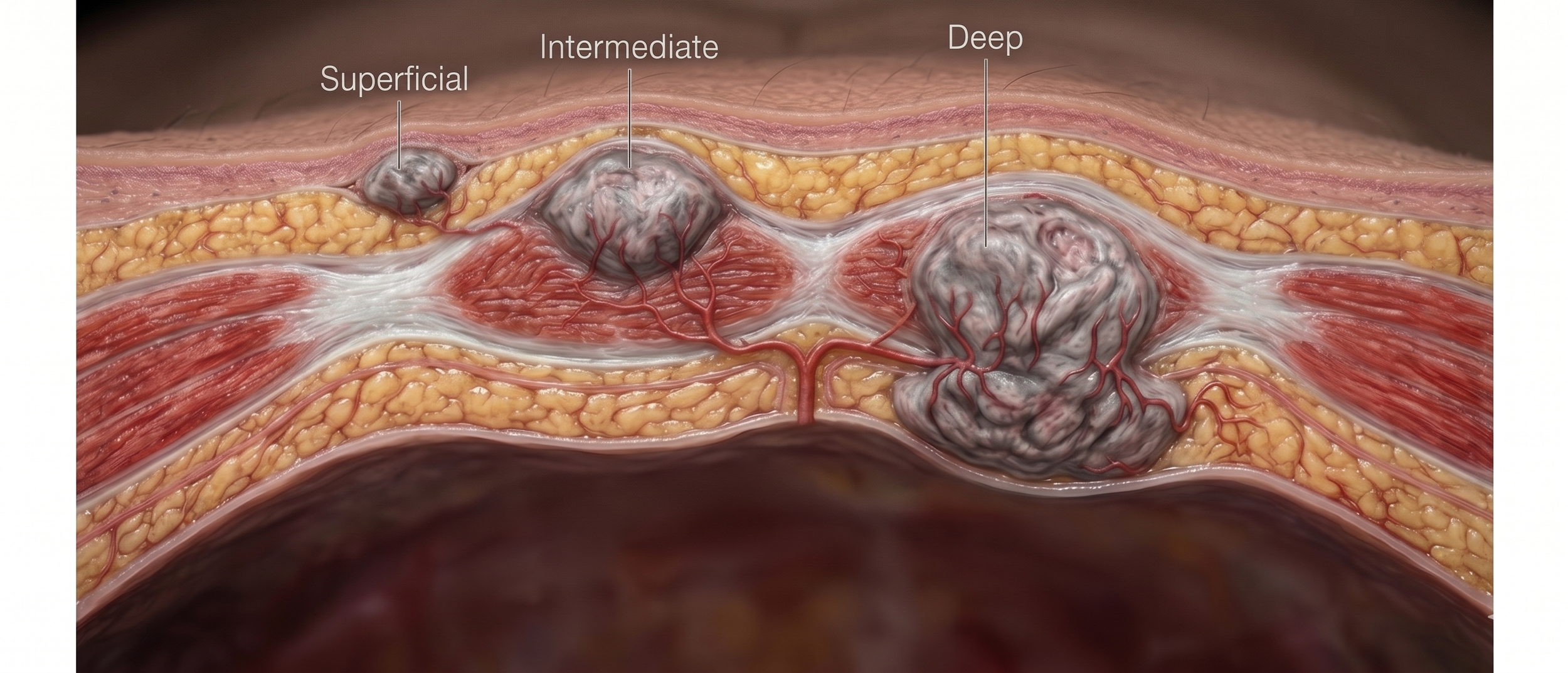
Lumps, Scars, and Cycles: A Patient’s Guide to Abdominal Wall Endometrioma”
Abdominal wall endometrioma is a rare but important condition that can affect women who have undergone abdominal surgeries, particularly cesarean sections. Understanding its causes, risk factors, and treatment options is essential for timely diagnosis and care.

Advanced Endometriosis Surgery Should Not Be Out of Reach
For many women living with endometriosis, the fear of surgery is not only about the procedure itself — it is about the financial burden that may come with it. Too often, patients delay advanced care because they believe expert treatment is simply unaffordable. But specialized endometriosis surgery should not require sacrificing your future, draining your savings, or postponing your dreams. We believe compassionate, advanced care can also be accessible and affordable.
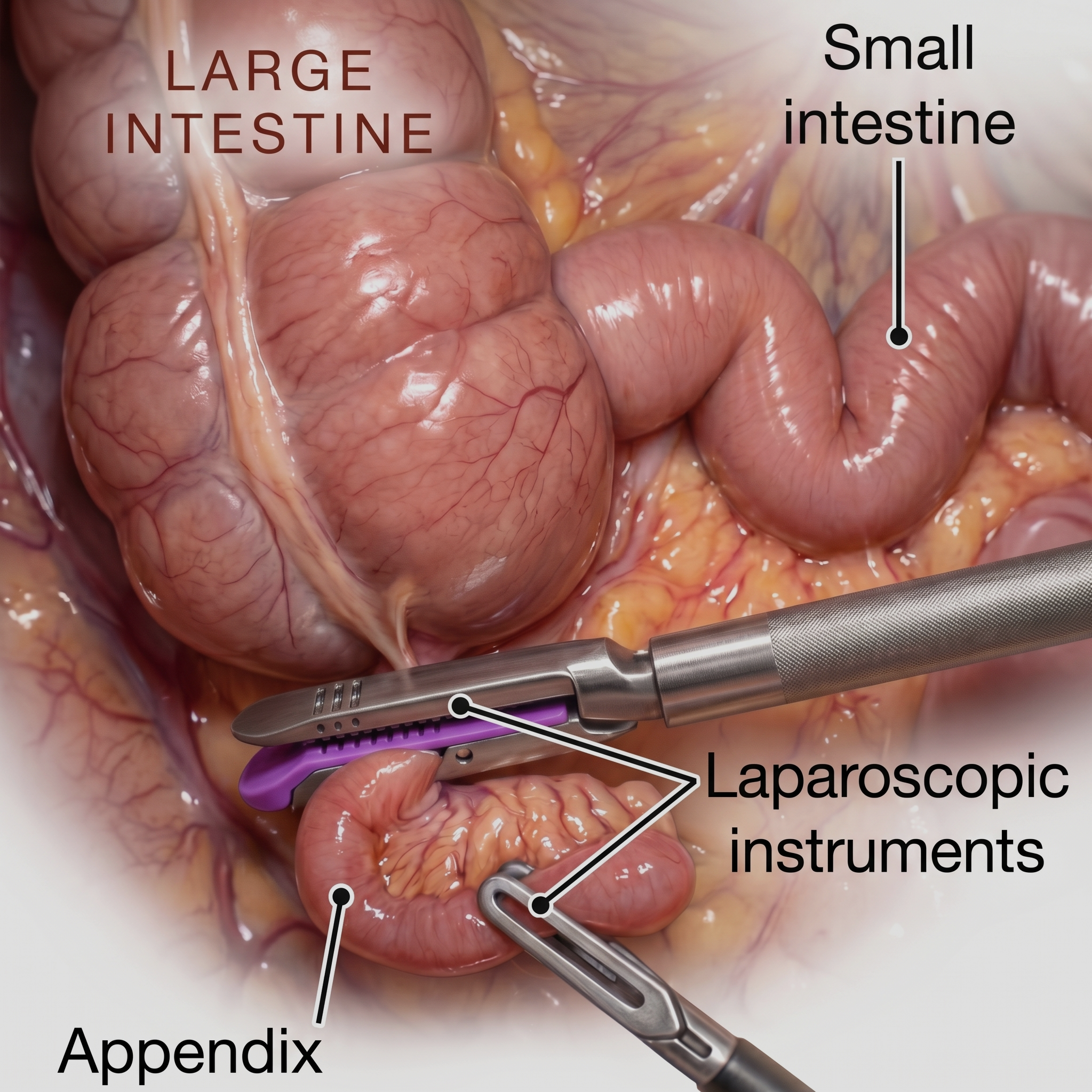
“Take It or Leave It: The Appendix Dilemma in Endometriosis Surgery
If you've been diagnosed with endometriosis and are preparing for surgery, your surgeon may have raised the question of whether to also remove your appendix — even if it looks completely normal. This is called a routine appendectomy, and it's one of the more debated topics in gynecologic surgery today.
This post breaks down both sides of the argument, what the medical literature actually says, and why a growing number of endometriosis specialists support removing the appendix as a standard part of the operation.
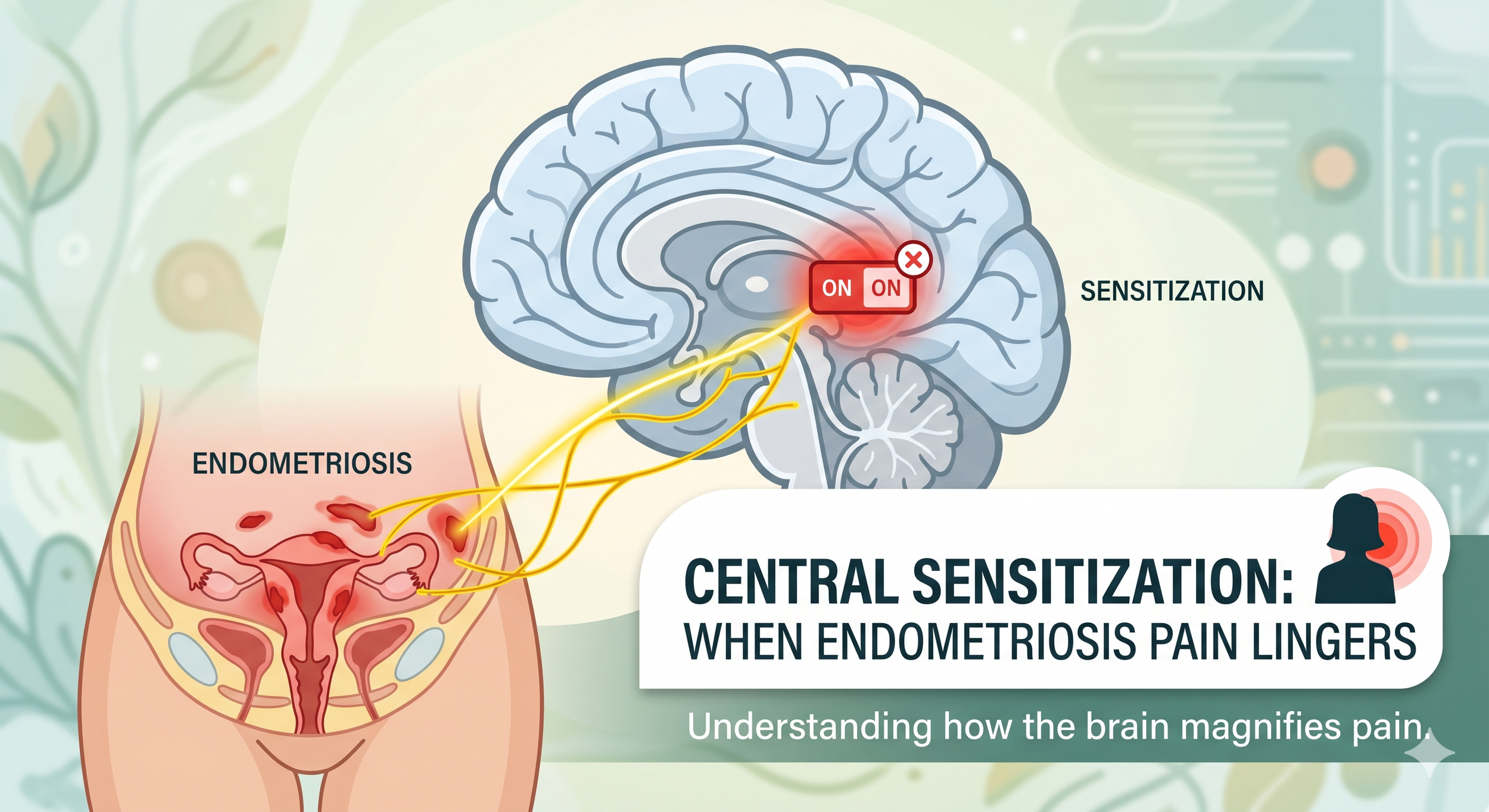
“Stuck on High Alert: The Central sensitization syndrome’s Role in Endometriosis Pain
Central sensitization syndrome (CSS) is a condition in which the central nervous system — your brain and spinal cord — becomes pathologically amplified in its pain-processing. Rather than pain being a proportional response to a physical stimulus, the system becomes dysregulated: volume turned all the way up, volume knob stuck, and the radio playing static even in silence.
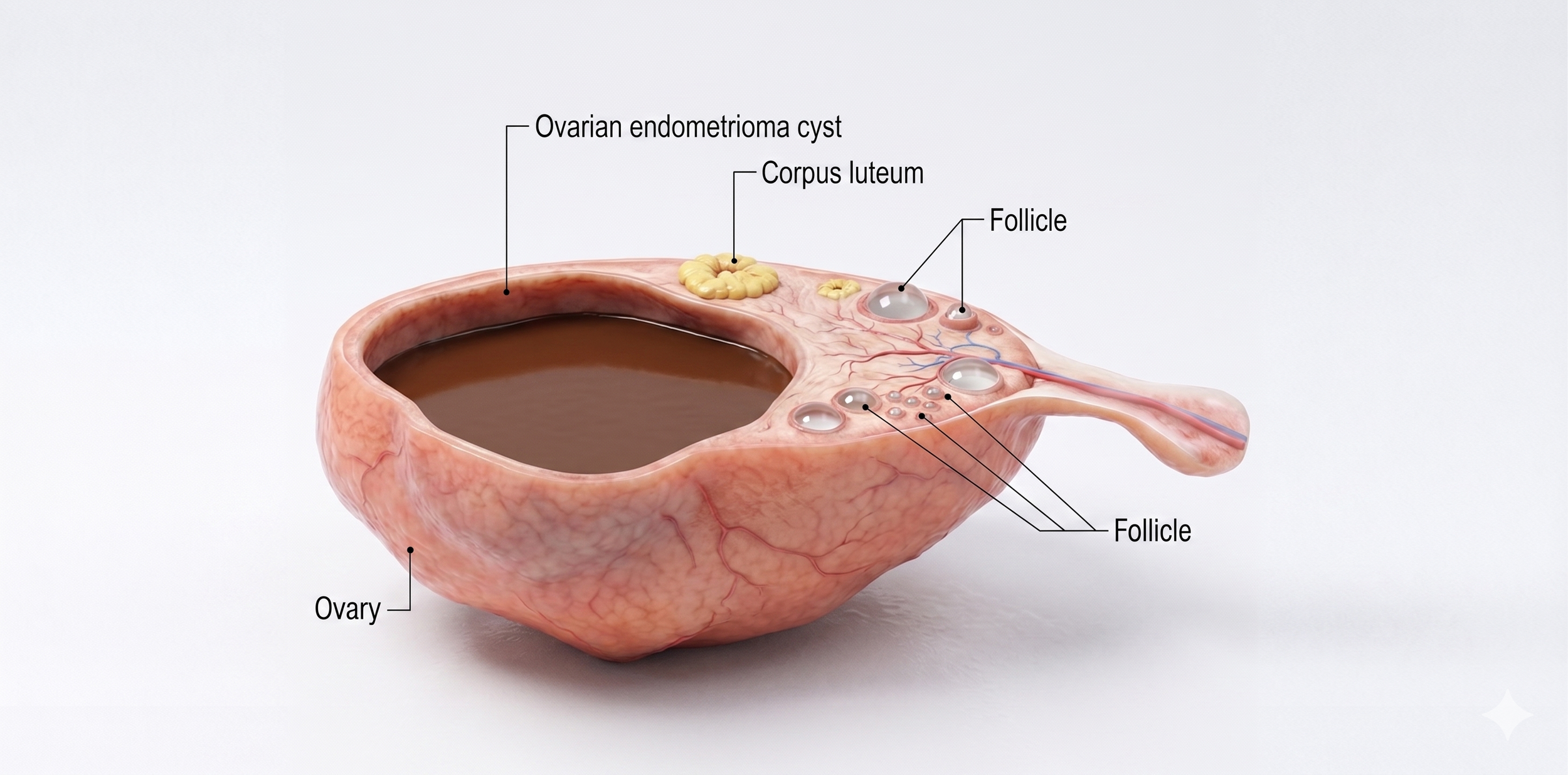
A tale of two endometriomas subtypes
f you've been told you have a "chocolate cyst" on your ovary, here's everything you need to understand about what that means, why it forms, and how type and size change everything about your care.
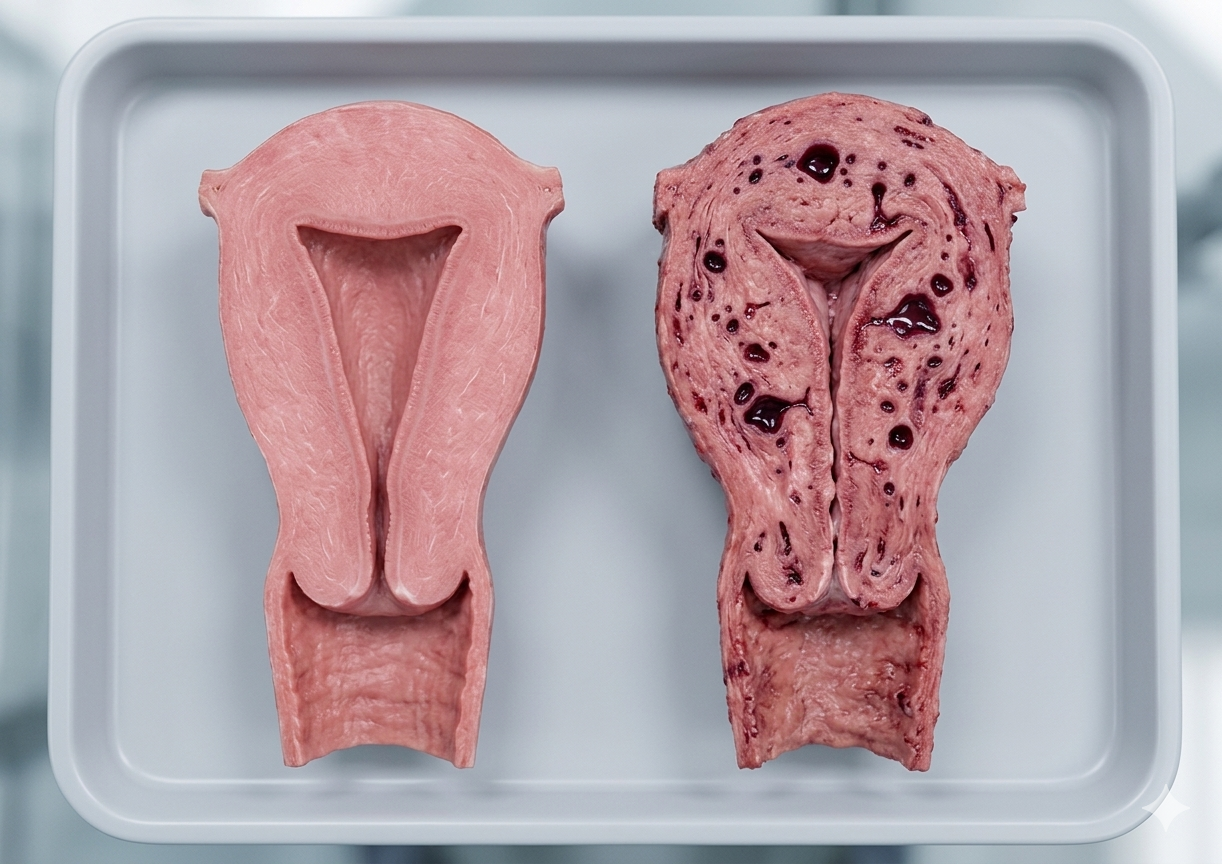
Shadows Within the Womb: Unmasking Adenomyosis as the Silent Architect of Pain, Bleeding, and Infertility
At its core, adenomyosis is defined by the invasion of endometrial tissue into the myometrium, the muscular layer of the uterus. This leads to inflammation, uterine enlargement, and structural distortion.
While benign, its consequences are anything but minor. The condition is associated with:
Chronic pelvic pain
Painful menstruation (dysmenorrhea)
Heavy or irregular bleeding
Infertility
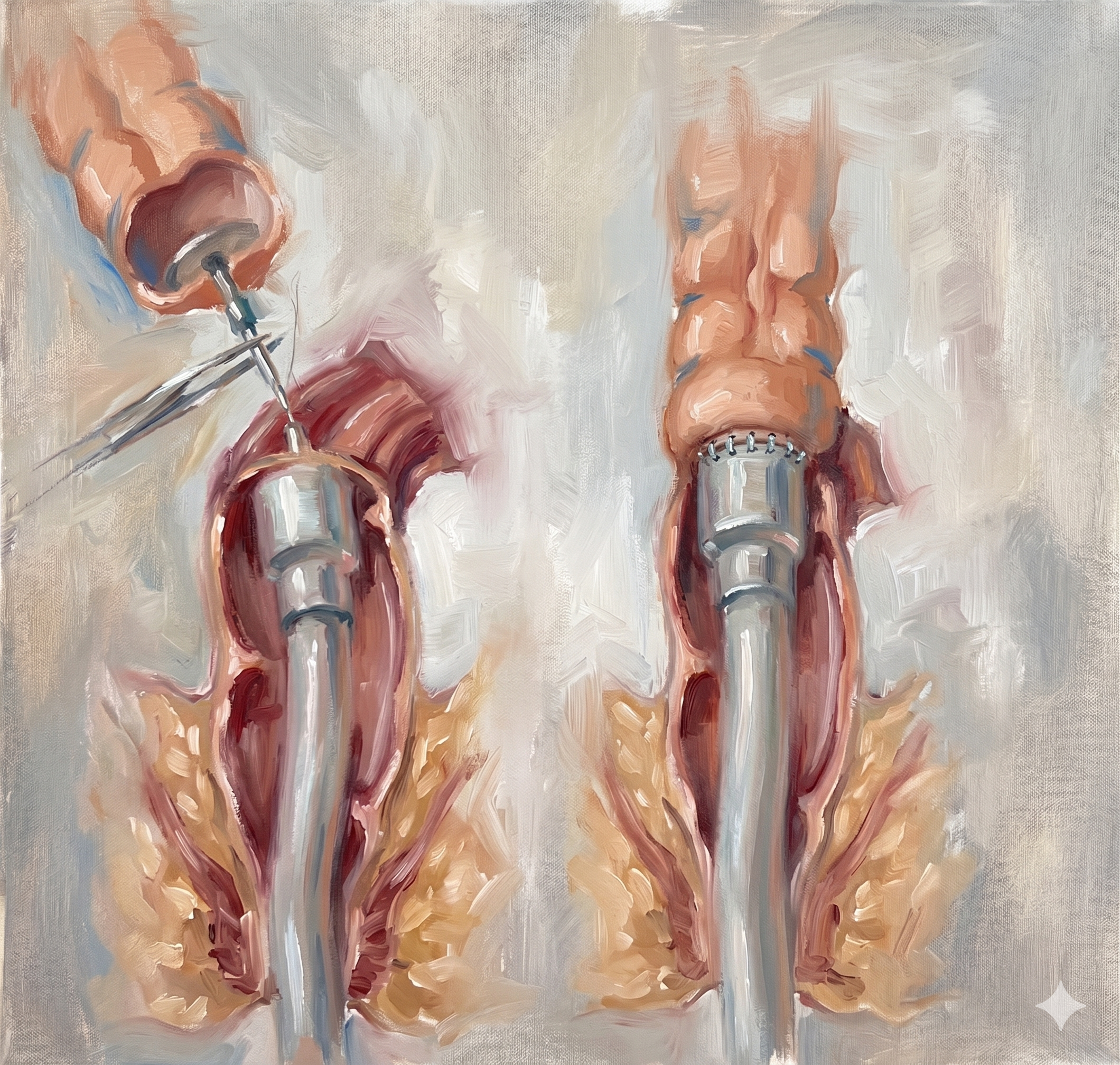
The 72-Hour Reset: Why Bowel Prep is the Unsung Hero of Bowel Endometriosis Surgery
Bowel preparation before endometriosis surgery has traditionally followed a more standardized protocol, particularly when there is concern for bowel involvement. This often includes a clear liquid diet for 24 hours prior to surgery, combined with mechanical bowel cleansing using oral laxatives, and the addition of oral antibiotics. The aim is to empty the intestines, improve surgical visualization, and reduce the risk of contamination if bowel surgery becomes necessary. Although practices continue to evolve, this structured approach has long been considered a foundational step in preparing patients for complex pelvic procedures involving or potentially involving the bowel.

It’s Not Just "Bad Cramps": 5 Surprising Realities of Endometriosis in Teens
Imagine navigating adolescence while dealing with chronic, debilitating pain. This is the reality of endometriosis, a condition where tissue acting like the uterine lining grows outside the uterus.
While medical science understands adult endometriosis better, research on teenagers remains in its early stages. Because symptoms vary wildly, diagnosing adolescents is incredibly tricky.
Consequently, the disease is frequently overlooked or misdiagnosed for years. This delay can cause the condition to worsen, impair a teen's quality of life into adulthood, and lead to future fertility issues. Severe period pain is a major red flag, making it crucial to recognize when pain exceeds typical menstrual cramps.
Fortunately, new diagnostic tests and emerging treatments offer hope for personalized, evidence-based care. In this post, we’ll explore the unique challenges of adolescent endometriosis, the importance of early diagnosis, and how modern healthcare is rewriting the story for young patients


"She Felt Better. Then She Did Not. — The Placebo Effect of Incomplete Endometriosis Surgery and Why Pain Always Returns When Disease Remains"
The Placebo Effect of Incomplete Endometriosis Surgery and Why Pain Always Returns When.

"Persistence Masquerading as Recurrence — The Inconvenient Truth About Endometriosis Surgery Outcomes"
Something that I kept hearing as a young trainee ,is that dont bother spending hours removing all these implants ,because all gonna recur!,This false belif about that natural history of endometriosis after surgery ,unfortunatley justified a generation of inadequate surgery.
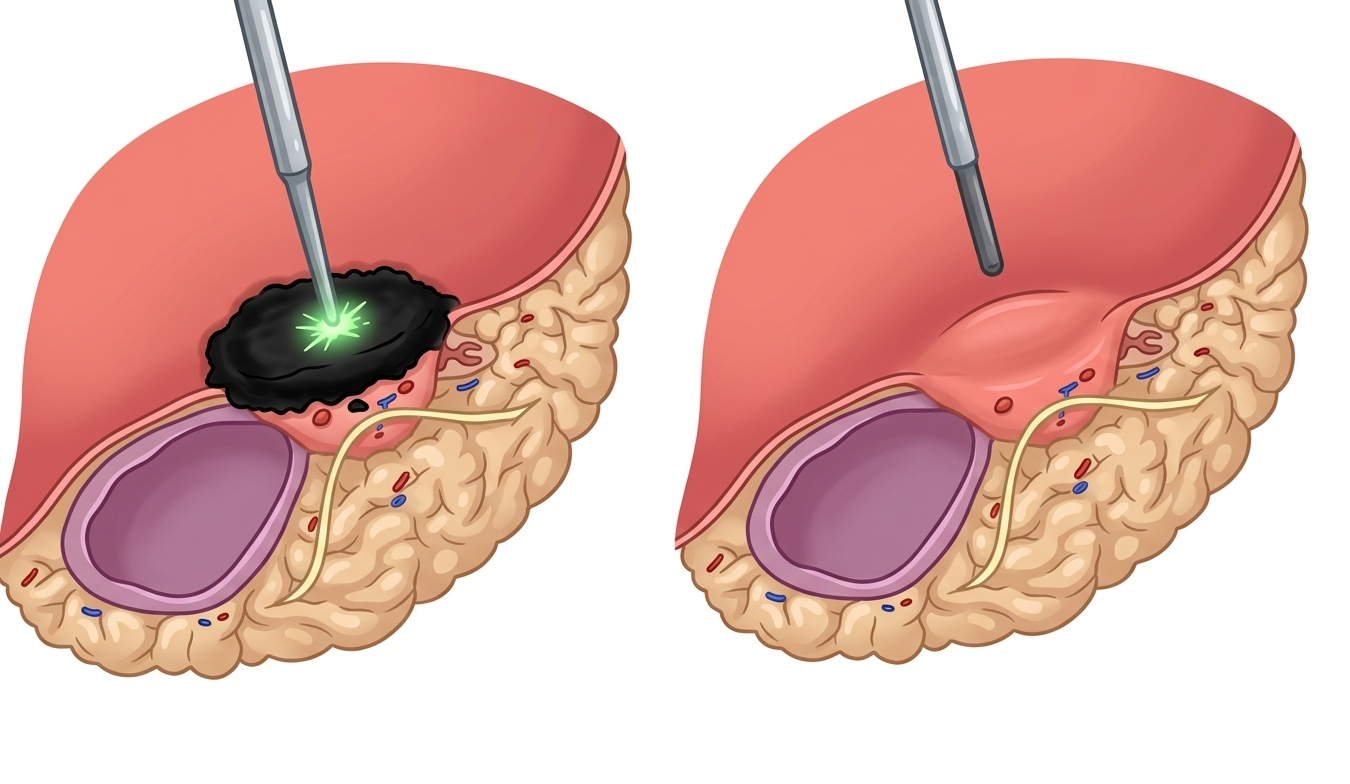



"It Is Not in Your Head — But It Is in Your Nervous System":
chronic, pain condition where the central nervous system (brain and spinal cord) becomes hyper-sensitive, amplifying pain signals. It causes widespread pain, fatigue, sleep disturbances, and cognitive "fog"
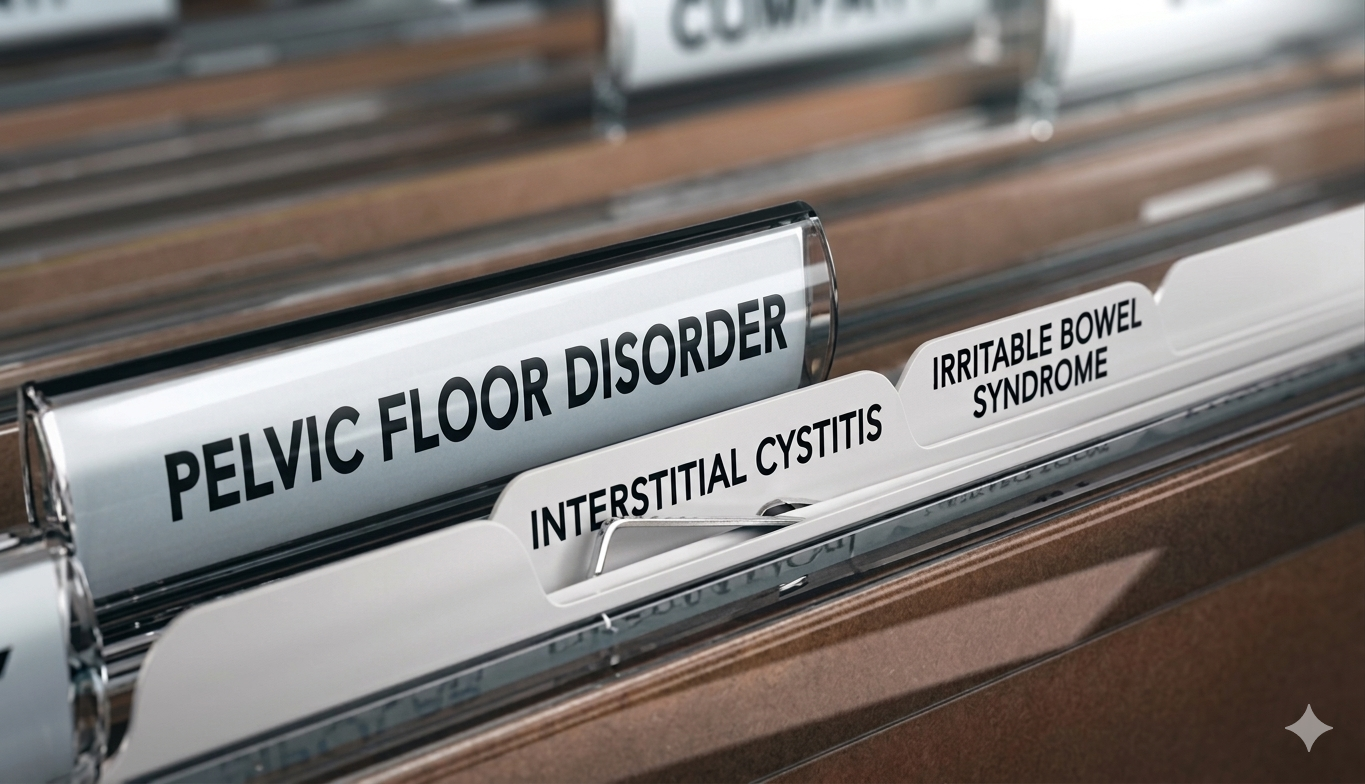
"Endometriosis Brought Friends : And They Are All Equally Exhausting": Conditions That coexist with Endometriosis
"Endometriosis has a well-documented habit of bringing company — arriving alongside a range of painful syndromes and conditions that together create a burden of suffering far greater than any single diagnosis can fully explain."

Endometriosis and Bowel Surgery : Understand the Risk
Bowel endometriosis surgery treats disease affecting the intestine, often requiring techniques from superficial removal to segmental resection. It is usually performed with a colorectal surgeon. While effective, risks include bleeding, infection, and rare complications such as bowel leakage or need for a temporary stoma.