
Surgical Management of Endometriosis: A Comprehensive Patient Guide
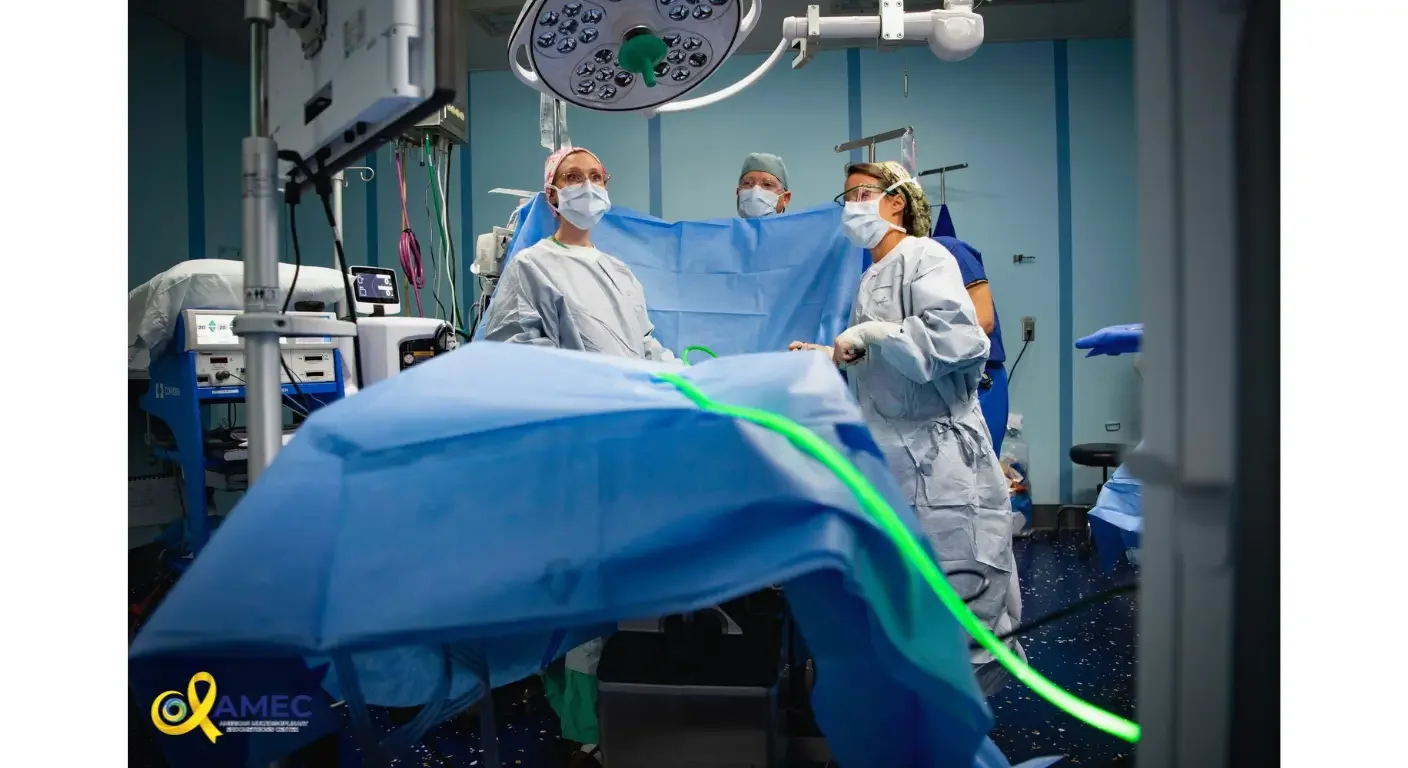
For many patients with endometriosis, surgery plays a central role in achieving lasting relief. While medications can help control symptoms, surgical treatment is the only way to directly remove endometriosis lesions. When performed by an experienced specialist, surgery can significantly improve pain, restore normal anatomy, and support fertility.
Because endometriosis can vary widely in location and severity, surgical management requires advanced skill, careful planning, and often a multidisciplinary app
When Is Surgery Recommended?
Not every patient with endometriosis needs surgery right away. However, surgery is often considered when:
Pain is severe or persistent despite medical therapy
Imaging suggests deep endometriosis (involving bowel, bladder, or ligaments)
There are ovarian cysts (endometriomas)
Fertility is affected and anatomical distortion is suspected
Symptoms significantly impact quality of life
The decision is individualized and based on a patient’s symptoms, goals, and prior treatments.
Surgical Approach: Minimally Invasive Surgery (Laparoscopy)
The standard approach for endometriosis surgery is laparoscopy, a minimally invasive technique using small incisions and a camera.
Robotic surgery is a tool of laparoscopy ,It enhances outcomes by translating the surgeon’s skill into highly precise, stable, and finely controlled movements that improve lesion removal and preserve healthy tissue.
Benefits include:
Less pain after surgery
Faster recovery
Smaller scars
Better visualization of pelvic structures
This approach allows surgeons to carefully inspect and treat endometriosis throughout the pelvis.
Excision vs. Ablation: Why Technique Matters
Excision : (Experts preferred Approach)
Excision surgery involves cutting out endometriosis lesions completely from their roots.
Advantages:
More complete removal of disease
Better long-term pain relief
Lower recurrence rates
Ability to treat deep disease effectively
Ablation : (limited role)
Ablation involves burning or destroying the surface of lesions.
Limitations:
May leave deeper disease behind
Higher chance of symptom recurrence
Less effective for deep infiltrating endometriosis
For these reasons, excision by an experienced specialist is considered the gold standard, especially in complex cases.
Treating Different Types of Endometriosis
Endometriosis is not the same in every patient. Surgical management depends on where the disease is located.
Superficial Endometriosis
Found on the surface of pelvic organs
Typically easier to remove
Often associated with inflammation and pain
Deep Infiltrating Endometriosis (DIE)
Penetrates deeper into tissues
Commonly affects ligaments, bowel, bladder, or ureters
Requires advanced surgical expertise
Ovarian Endometriomas
Cysts within the ovaries
Usually treated by carefully removing the cyst wall
Requires balance to preserve healthy ovarian tissue and fertility
Multidisciplinary Surgical Approach
In more advanced cases, endometriosis may involve multiple organs. A multidisciplinary surgical team ensures safe and complete treatment.
This team may include:
Endometriosis specialist (gynecologic surgeon) – leads the procedure
Colorectal surgeon – for bowel involvement
Urologist – for bladder or ureter disease
This collaborative approach allows:
Complete removal of disease in one surgery
Reduced need for repeat procedures
Improved safety and outcomes
The Role of Preoperative Planning:
Successful surgery begins before entering the operating room.
Advanced Imaging:
Specialized ultrasound or MRI helps:
Map the location and depth of disease
Identify involvement of bowel, bladder, or other structures
Plan for the appropriate surgical team
Patient-Centered Planning:
Treatment is tailored based on:
Symptoms and pain severity
Fertility goals
Previous surgeries
Overall health
This planning ensures that surgery is both effective and aligned with patient priorities.
Fertility and Surgery:
For patients who wish to conceive, surgical management must be carefully considered.
How Surgery Can Help:
Removes disease that may interfere with egg release or fertilization
Restores normal pelvic anatomy
Improves access to ovaries and fallopian tubes
Balancing Risks
Surgery on the ovaries must preserve healthy tissue.
In some cases, fertility treatments (such as IVF) may be recommended instead of or in addition to surgery
Close collaboration between an endometriosis surgeon and fertility specialist is essential for optimal outcomes.
Recovery After Surgery
Recovery from laparoscopic surgery is typically faster than traditional open surgery.
What to Expect:
Most patients go home the same day or within 24 hours
Return to normal activities within 1–2 weeks (depending on extent of surgery)
Gradual improvement in pain over weeks to months
Postoperative Care:
Pain management and wound care
Follow-up visits to monitor recovery
Possible referral to pelvic floor physical therapy
Recovery is not just physical—ongoing support is important for long-term success.
Risk of Recurrence:
Endometriosis is a chronic condition, and symptoms can return over time.
Factors influencing recurrence include:
Extent of disease
Completeness of surgical removal
Use of postoperative medical therapy
To reduce recurrence risk:
Hormonal therapy may be recommended after surgery
Ongoing follow-up is important
Expert excision surgery is associated with lower recurrence rates, especially when performed by experienced specialists.
Combining Surgery with Other Treatments:
Surgery is often one part of a broader treatment plan.
Additional Therapies May Include:
Hormonal therapy to suppress recurrence
Pelvic floor physical therapy to address muscle-related pain
Pain management strategies for persistent symptoms
Nutritional and lifestyle support
This integrated approach addresses both the disease and its effects on the body.
Why Surgical Expertise Matters:
Endometriosis surgery is highly specialized. Outcomes depend significantly on the surgeon’s experience.
An experienced endometriosis surgeon offers:
Advanced skills in complex excision
Ability to treat deep and multi-organ disease
Lower complication rates
Better long-term symptom relief
Choosing the right surgical team can make a meaningful difference in outcomes and quality of life.
Final Thoughts:
Surgical management of endometriosis is a powerful tool for treating the root cause of the disease. When combined with careful planning, multidisciplinary collaboration, and ongoing supportive care, surgery can provide significant and lasting relief.
Every patient’s journey is unique. The best results come from a personalized approach that aligns surgical expertise with individual goals—whether that is pain relief, fertility, or overall well-being.
With the right care team and a comprehensive strategy, patients can move beyond simply managing symptoms and toward lasting improvement and a better quality of life.

Excision is Considered the gold Standard technique in the management of superficial and deep endometriosis .