
The 72-Hour Reset: Why Bowel Prep is the Unsung Hero of Bowel Endometriosis Surgery
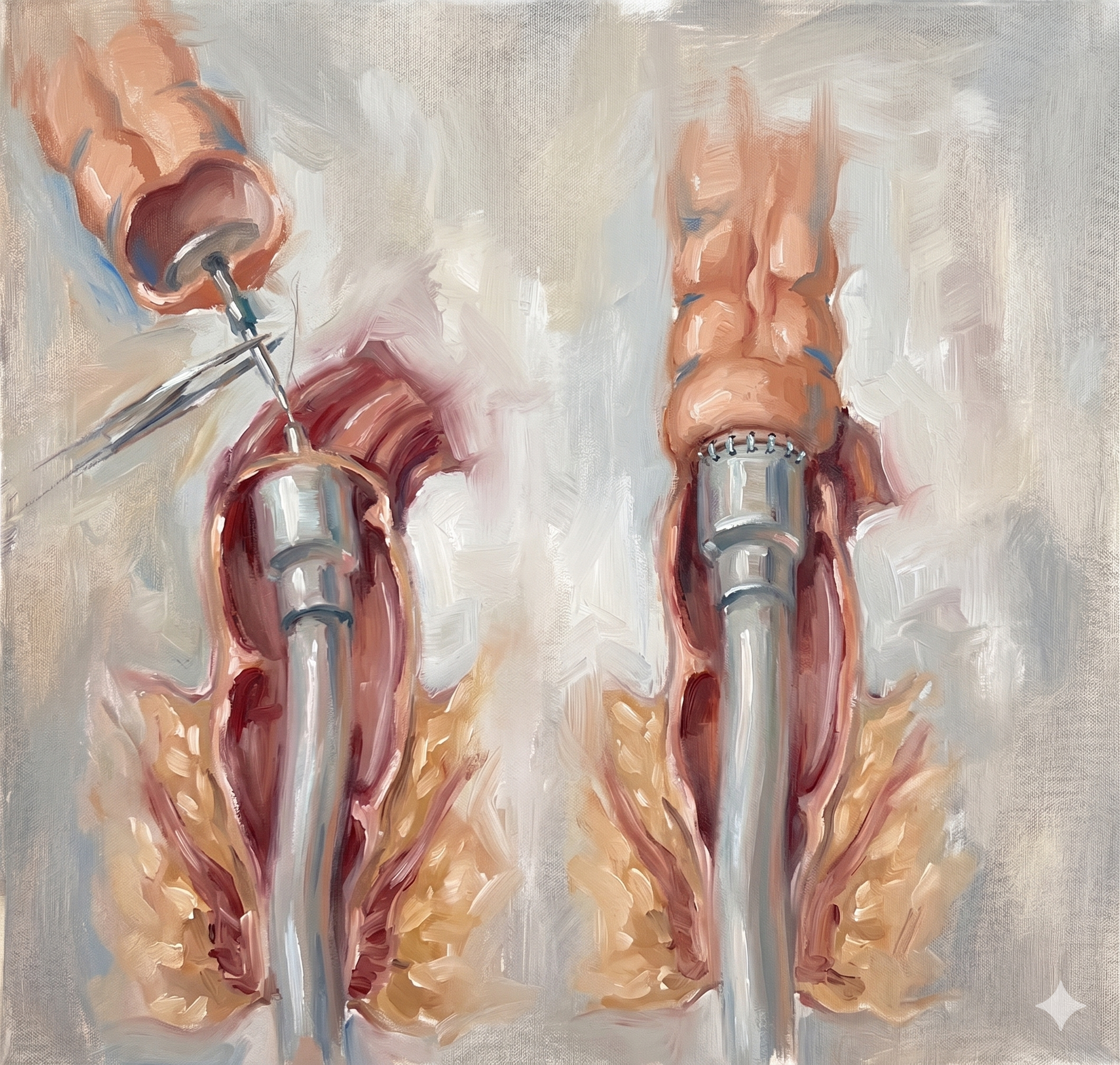
For many patients facing endometriosis surgery, the mention of "bowel prep" triggers an immediate sense of dread. It is often viewed as the most unpleasant hurdle in the surgical journey—a series of restrictive diets and aggressive laxatives that seem more like an endurance test than medical care. However, looking at the process through a clinical lens reveals a different story. Far from being a mere inconvenience, the 72-hour preparation window is a sophisticated surgical strategy. It is a proactive period of risk mitigation designed to transform the internal environment, ensuring that the surgeon can operate with maximum visibility and the patient can recover with minimum risk.
The Primary Objective: A Critical Safety Barrier
The American Multidisciplinary Endometriosis Center (AMEC-Endo) protocol is built on a foundation of safety. While the physical experience of bowel preparation is intense, its purpose is to create a sterile, manageable surgical field. By ensuring the sigmoid colon and rectum are entirely free of fecal matter, the medical team significantly lowers the risk of catastrophic post-operative issues.
Failing to properly clear the digestive tract can lead to severe complications, including:
Superficial and deep infections
Abscess formation
Anastomosis leaks (where surgical joins in the tissue fail)
Sepsis
In this context, emptying the bowel is not just about "cleanness"; it is a form of proactive internal defense. By clearing the rectum and sigmoid colon, the patient is actively reducing the bacterial load and physical bulk that could otherwise lead to infection or surgical difficulty.
"The primary objective of bowel preparation before endometriosis surgery is to achieve a clear, watery bowel movement and to ensure the sigmoid colon and rectum are emptied of all large and small fecal matter."
The 3-Day Countdown Starts with "White Food"
The preparation begins 72 hours before the operation with a shift to a "Low Fiber" or "Low Residue" diet. From an investigative perspective, this is a strategic move to address the physics of the gut. Fiber is essentially undigestible material; by removing it early, you are essentially giving the laxative phase a "head start" so it doesn't have to push through unnecessary bulk. This shift reduces total bowel volume before the liquid phase begins.
Allowed Foods (Low Fiber/Low Residue):
White bread, white rice, and pasta
Lean proteins: Chicken, turkey, fish, and eggs
Dairy: Yogurt, milk, and cheese (if tolerated)
Mashed or peeled potatoes
Clear soups or broth
Well-cooked vegetables (no skins or seeds)
Avoid These Foods:
Raw vegetables, salads, and fruits with skins or seeds
Whole grains, brown rice, bran, and popcorn
Legumes: Beans, lentils, nuts, and seeds
Spicy or greasy foods
The Laxative Marathon: A 4-Liter Controlled Flush
Once the fiber has been cleared from the system, the protocol moves into the "Mechanical Bowel Preparation" phase on the day before surgery. This involves a high-volume intake of Polyethylene Glycol (PEG), commonly known as MiraLAX.
The scale of this hydration is a massive 4-liter endeavor (2L + 2L). Patients mix a 238g bottle of PEG with 64oz (approx. 2 liters) of a non-red liquid, such as Gatorade, and repeat this for a second full dose. The sheer scale of hydration is necessary to achieve the "clear, watery" consistency required for surgical safety.
5:00 PM: Consume the first 64oz (one cup every 10–15 minutes).
9:00 PM: Consume the second 64oz (one cup every 10–15 minutes).
This process typically triggers a rapid onset, with the laxatives beginning to work within one to two hours, ensuring the system is entirely flushed by the morning of the procedure.
The Secret Weapon: Oral Antibiotic Synergy
While the mechanical flush removes physical matter, it is not enough to eliminate microscopic risks. The AMEC-Endo protocol employs a "belt-and-suspenders" approach by adding a targeted antibiotic regimen. This involves taking Neomycin (1g) and Metronidazole (500mg) in tandem to attack both aerobic and anaerobic bacteria.
This combination is a masterclass in clinical synergy: Neomycin stays largely within the gut to provide local decontamination, while Metronidazole provides systemic protection. If Neomycin is unavailable or contraindicated due to an allergy, the protocol substitutes Ciprofloxacin 500mg.
The timing of these doses is rapid-fire and strategic:
1:00 PM: First dose
2:00 PM: Second dose (The "Loading Phase")
11:00 PM: Third dose
The 1:00 PM and 2:00 PM doses act as a rapid loading phase, saturating the gut with antimicrobial protection before the final dose late at night.
"Liquid Logic" and the Red-Dye Rule
The final 24 hours (Day 1) require a "Clear Liquid Diet." This phase provides baseline energy through sugar and electrolytes without adding mass. However, there is a critical distinction between energy and visibility.
While the protocol technically allows some clear juices like cranberry or pomegranate, there is a "Red-Dye Paradox" to navigate. For the safest surgical path—and to ensure the highest visibility during a potential colonoscopy—patients should strictly avoid all red, orange, and purple dyes. These colors can mimic the appearance of blood or stain the bowel wall, which can interfere with the surgeon's ability to identify tissue abnormalities.
Allowed Clear Liquids:
Energy Sources: Soda (Coke, Pepsi, 7-Up, Dr. Pepper), apple juice, Snapple, and Gatorade (non-red/orange/purple).
Sweets: Jell-O (no fruit/non-red), popsicles, and hard candy.
Savory: Clear chicken, beef, or vegetable broth (strained of all solids).
Prohibited Items:
Dairy products, cream soups, tomato juice, and alcohol.
The Final Sprint: The Morning of Surgery
As the 72-hour window closes, the requirements become even more stringent to ensure the patient is ready for anesthesia.
The 2-Hour Rule: All fluid intake must stop completely two hours before the scheduled surgery time.
The Hospital Phase: The "last mile" of the preparation occurs 2–3 hours before surgery at the hospital itself. Clinical staff will administer a final saline enema. This is the final step to ensure the rectum—the very end of the digestive tract—is entirely clear for the surgical team.
Conclusion: A New Perspective on Prep
When we look at the AMEC-Endo protocol in its entirety, it becomes clear that bowel prep is not a hurdle to be cleared, but a rigorous ritual of patient safety. Every white piece of bread, every liter of PEG, and every timed antibiotic dose is a calculated move toward a successful surgical outcome. It is the most significant way a patient can participate in their own safety, acting as a proactive partner to the surgical team.
Knowing that these three days of discipline directly prevent sepsis and internal leaks, has your perception of surgical preparation shifted from a mere "inconvenience" to an essential, life-saving protection?