
"It Is Not in Your Head — But It Is in Your Nervous System":
The central role of Central sensitization syndrome In Pain with endometriosis
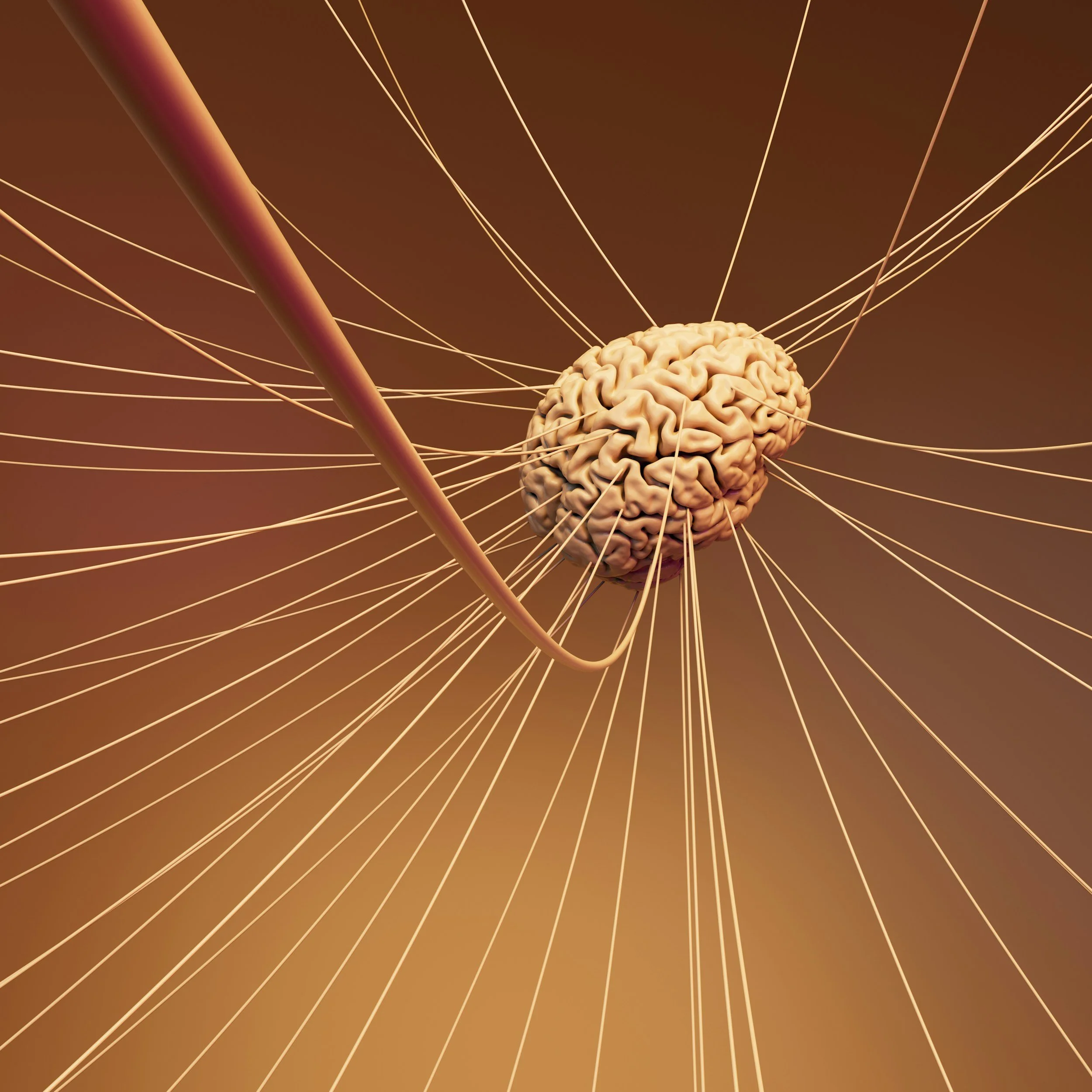
Pain is a signal from the nerves and perception by the brain.
1. What is Central Sensitization Syndrome (CSS)?
Central sensitization occurs when the nervous system becomes overly sensitive to pain signals. In CSS, the spinal cord and brain amplify pain signals, so that:
Normal sensations can feel painful (allodynia)
Mildly painful stimuli feel more intense (hyperalgesia)
Pain persists even after the initial tissue problem has improved
Common conditions involving central sensitization:
Fibromyalgia
Chronic fatigue syndrome
Irritable bowel syndrome
Migraine
In short, the nervous system “remembers” pain and continues to send strong pain signals even in the absence of ongoing tissue damage.
2. How Central Sensitization Relates to Endometriosis
Chronic Pelvic Pain
Endometriosis lesions, inflammation, and adhesions can cause long-term pelvic pain.
Over time, repeated pain signals sensitize the spinal cord and brain, making the nervous system more reactive.
Pain Out of Proportion to Lesions
Some patients with mild endometriosis experience severe pain, while others with extensive lesions may have little discomfort.
Central sensitization explains why pain severity does not always correlate with disease extent.
Overlap with Other Conditions
Many women with endometriosis also develop fibromyalgia, IBS, or chronic fatigue, all of which involve central sensitization.
This can amplify pelvic pain and make it more difficult to treat.
Impact on Treatment
Pain may persist even after surgical removal of lesions due to sensitized nerves.
Requires a multimodal approach beyond surgery:
Pain medications targeting nerve sensitivity (e.g., neuromodulators)
Pelvic floor therapy
Cognitive behavioral therapy or mindfulness
Lifestyle changes to reduce chronic pain triggers
3. Key Takeaways
Central sensitization is a nervous system disorder where pain is amplified.
In endometriosis, it helps explain:
Severe chronic pelvic pain even with mild lesions
Persistent pain after surgery
Pain overlapping with bladder, bowel, or musculoskeletal systems
Effective management requires multidisciplinary care, not just lesion removal.