
Shadows Within the Womb: Unmasking Adenomyosis as the Silent Architect of Pain, Bleeding, and Infertility
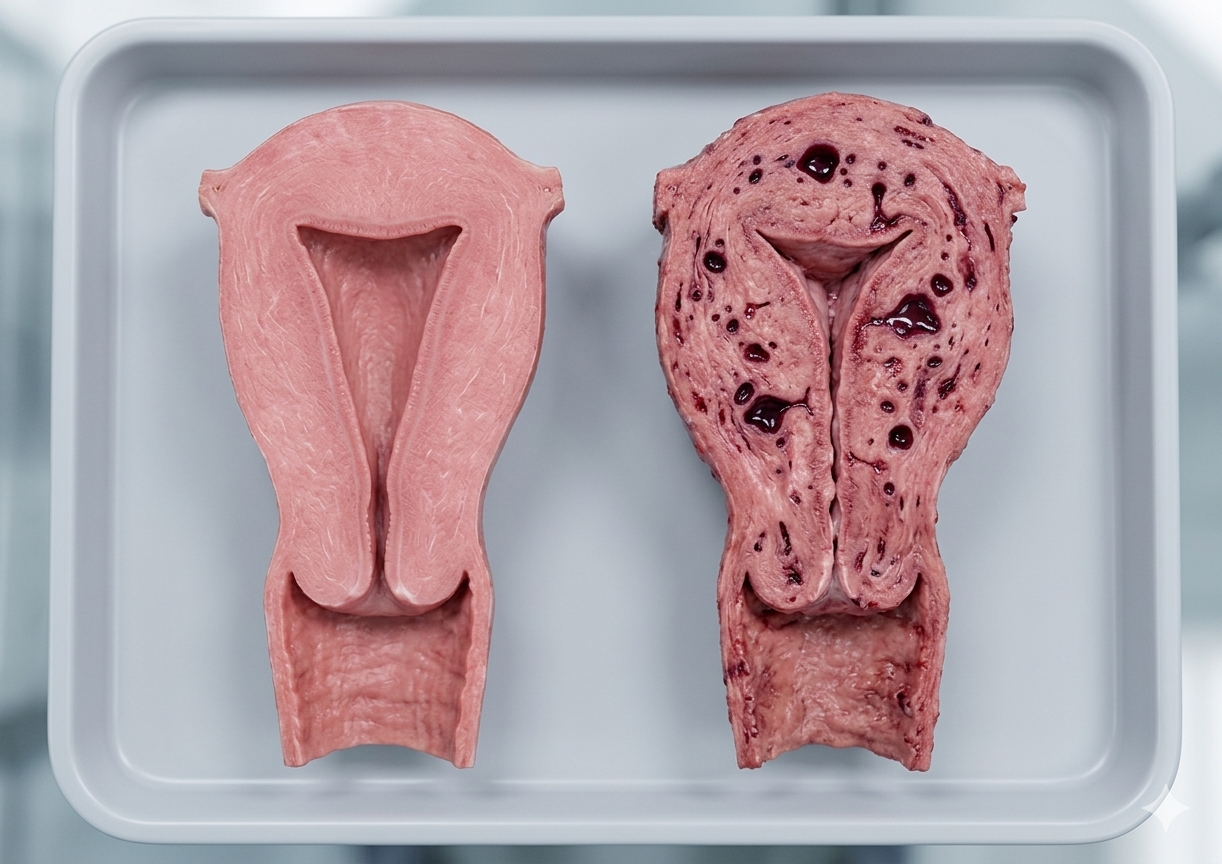
Adenomyosis is a condition that affect many women who may never get a diagnosis in their reproductive years.
Title: The Silent Agony of Adenomyosis: Unmasking the Hidden Cause of Pelvic Pain and Infertility
Meta Description: Discover the truth about adenomyosis, a historically underdiagnosed condition linked to severe pelvic pain, abnormal uterine bleeding, and unexplained infertility or failed embryo implantation.
For decades, millions of women have sat in clinical rooms describing a profound, life-altering pain, only to be told that heavy, agonizing periods are simply "part of being a woman." It is deeply frustrating to live with pain that goes unnamed, but the medical community is finally shining a light on a historically overlooked culprit: adenomyosis.
If you have been battling unexplained pelvic pain, abnormal bleeding, or the heartbreak of infertility, you are not alone, and your symptoms are not in your head. Here is everything you need to know about this stealthy condition.
What is Adenomyosis?
To understand adenomyosis, we have to look at the anatomy of the uterus. The uterus has an inner lining called the endometrium (which thickens and sheds during your period) and a thick muscular wall called the myometrium.
Adenomyosis occurs when the tissue that normally lines the uterus begins to grow into the muscular wall of the uterus.
Shutterstock
Every month, these displaced tissue islands respond to hormonal fluctuations—thickening, breaking down, and bleeding—just like the normal uterine lining. But because this tissue is trapped inside the muscle wall, the blood has nowhere to go. This causes the surrounding muscle to swell, become inflamed, and cramp aggressively.
The Diagnostic Black Hole: Why is it Underreported?
You have likely heard of endometriosis, but adenomyosis is often referred to as its "forgotten sister." Why has it flown under the radar for so long?
The Hysterectomy Prerequisite: Historically, the only way to definitively diagnose adenomyosis was through a pathology report after a hysterectomy. Because hysterectomies were typically performed on women in their 40s and 50s, the condition was wrongly classified as a disease of late reproductive age.
Overshadowed by Endometriosis: Because the two conditions share similar symptoms (and frequently coexist), adenomyosis was often missed. Surgeons looking for endometrial lesions outside the uterus via laparoscopy cannot always see the adenomyosis hidden deep inside the uterine muscle.
The Normalization of Pain: Society and historical medical biases have long normalized severe menstrual pain, leading to delayed diagnoses.
Technological Limitations: It is only in recent years that advancements in high-resolution transvaginal ultrasounds and pelvic MRIs have allowed specialists to accurately visualize the "boggy," enlarged uterus characteristic of the disease in younger women.
The Triumvirate of Symptoms
Adenomyosis exists on a spectrum. Some experience mild discomfort, while others suffer from debilitating symptoms that disrupt their daily lives.
1. Severe Pelvic Pain (Dysmenorrhea)
The trapped bleeding within the uterine muscle causes severe inflammation. This results in intense, knife-like cramps during menstruation, and for many, chronic pelvic pain that persists throughout the month. The uterus itself often becomes enlarged and tender.
2. Abnormal Uterine Bleeding (AUB)
Because the uterine walls are swollen and the muscle cannot contract efficiently to pinch off bleeding blood vessels, adenomyosis frequently leads to prolonged, excessively heavy menstrual bleeding. This can quickly lead to anemia, chronic fatigue, and a diminished quality of life.
The Heartbreak: Infertility and Failed Implantation
Perhaps the most devastating, yet least discussed, impact of adenomyosis is its toll on fertility. For years, women with adenomyosis who struggled to conceive were placed in the "unexplained infertility" category. Today, the connection is undeniably clear.
Adenomyosis creates a hostile environment for a developing embryo in several ways:
Altered Uterine Peristalsis: The uterus naturally experiences gentle, rhythmic contractions that help guide sperm to the egg. Adenomyosis causes erratic, hyperactive contractions that can interfere with sperm transport and disrupt a newly formed embryo from settling into the lining.
Chronic Inflammation: The constant bleeding within the uterine muscle creates a highly inflammatory environment. This biochemical imbalance can be toxic to embryos.
Impaired Receptivity: To achieve a successful pregnancy, the uterine lining must be highly receptive during a specific "window of implantation." The structural and molecular changes caused by adenomyosis alter the expression of crucial proteins needed for an embryo to attach.
This explains why many women with undiagnosed adenomyosis experience recurrent IVF failures or failed embryo implantations, despite transferring high-quality, genetically normal embryos.
Moving Forward: Advocacy and Answers
The era of suffering in silence is coming to an end. We now have the imaging technology to diagnose adenomyosis non-invasively and the medical understanding to connect it to fertility struggles.
If your periods are dictating your life, or if you are facing unexplained IVF failures, it is time to ask your healthcare provider specifically about adenomyosis. Seek out a specialist in advanced gynecological imaging or reproductive endocrinology. Your pain is valid, your struggles have a physical source, and targeted treatments—ranging from hormonal management to specialized fertility protocols—are available to help you reclaim your life.