
Endometriosis Mapping
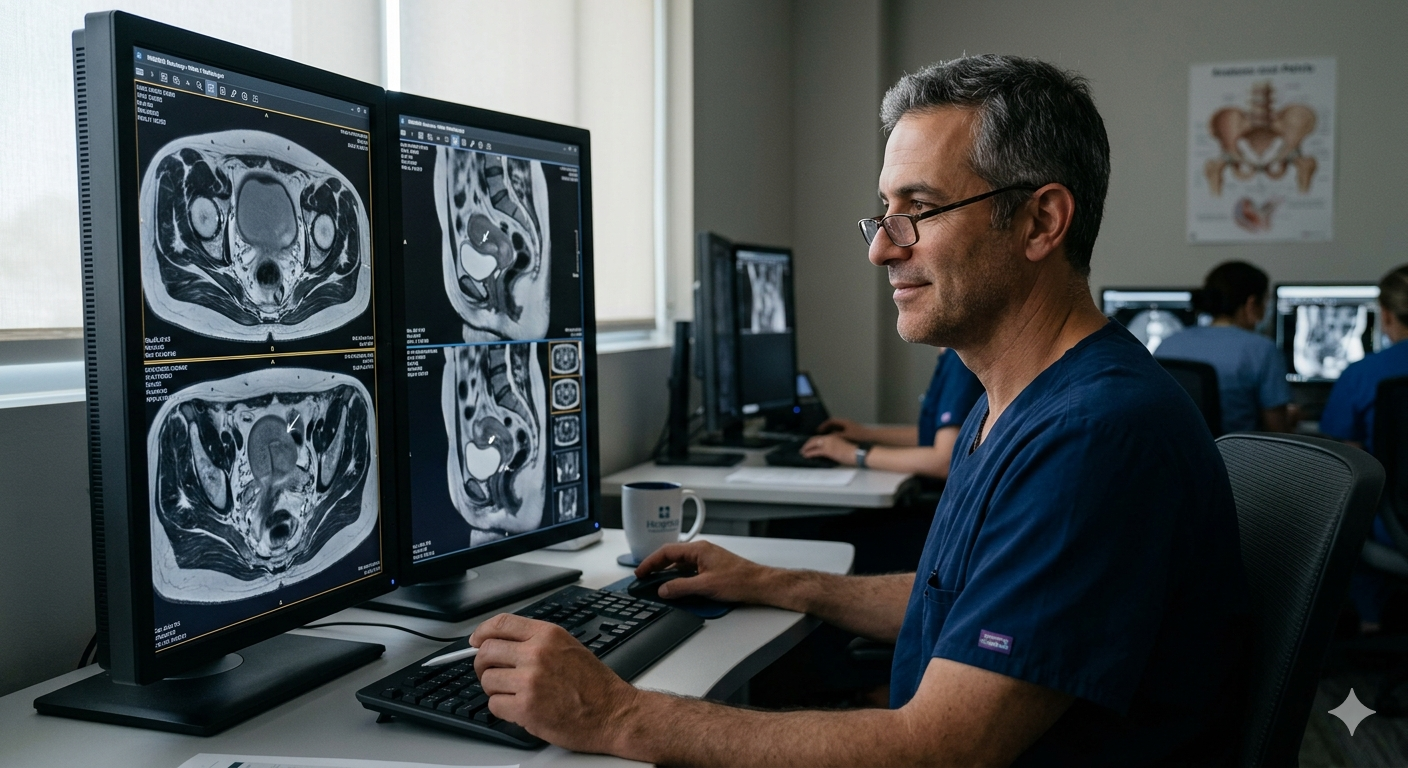
Endometriosis mapping is the first step in the road to a sucessfull surgery .
Understanding Endometriosis Mapping: Ultrasound and MRI
What Is Endometriosis Mapping?
Endometriosis mapping is a thorough, systematic process of finding and documenting exactly where endometriosis exists in your body — before any treatment or surgery begins. Think of it as creating a detailed internal map of your disease. Rather than discovering endometriosis by surprise during an operation, mapping allows your medical team to see the full picture in advance — where the lesions are, which organs are affected, and how deeply the disease has grown. A complete map means a better-planned surgery, fewer repeat operations, and most importantly, a better outcome for you.
Why Does Mapping Matter?
Proper mapping means that by the time you reach the operating room, your surgical team already knows your disease intimately. They know where to go, what to expect, and which structures need careful attention. Mapping transforms surgery from exploration into precision — and that precision can make all the difference to your quality of life.
Mapping by Ultrasound — The First Look
This is not a routine scan. It is performed by a sonographer or gynaecologist with specific training in endometriosis, following a strict protocol — because standard scans performed without this expertise frequently miss the disease entirely. Using both an abdominal and transvaginal probe, the examiner systematically checks the ovaries, uterus, bowel, bladder, ureters, and the ligaments supporting the uterus. A key technique called the "sliding sign" is used to detect whether your pelvic organs move freely or are stuck together by scar tissue — a critically important finding that directly shapes your surgical plan.
Mapping by MRI — The Deeper Picture
Following the ultrasound, many patients will also require an MRI performed under the endometriosis protocol — a specialised sequence of images read by a radiologist trained specifically in endometriosis. This provides exceptional detail, particularly for deep infiltrating endometriosis that has burrowed into the bowel, bladder, ureters, or pelvic nerves — areas that can be harder to fully assess on ultrasound alone. A standard MRI, not performed under the correct protocol, frequently misses significant disease. The protocol matters. The expertise of the radiologist matters. Both are non-negotiable.
What Happens With Your Map?
Once mapping is complete, your findings are compiled into a comprehensive report and ideally reviewed in a multidisciplinary team meeting — where gynaecologists, colorectal surgeons, urologists, and radiologists plan your surgery together before you ever enter the operating room. This is what you deserve — not a discovery made under anaesthesia, but a team that already knows your map and has a clear, considered plan to address every part of it.
Your Right as a Patient
You have the right to insist that your imaging is performed under the endometriosis protocol, by someone trained specifically in endometriosis imaging. You have the right to ask whether your case will be reviewed by a multidisciplinary team. Mapping is not a bonus. It is not reserved for complex cases. It is the standard of care that every woman with endometriosis deserves — from the very beginning.